Ecological Health of the River Systems
More flow, more fish.
What We're Focused On
The Partnership helps coordinate efforts to protect and restore the rivers, streams, and riparian habitat of the upper Gallatin and Madison systems. Our work addresses water quality, stream flow, habitat connectivity, and the health of native and wild trout fisheries.
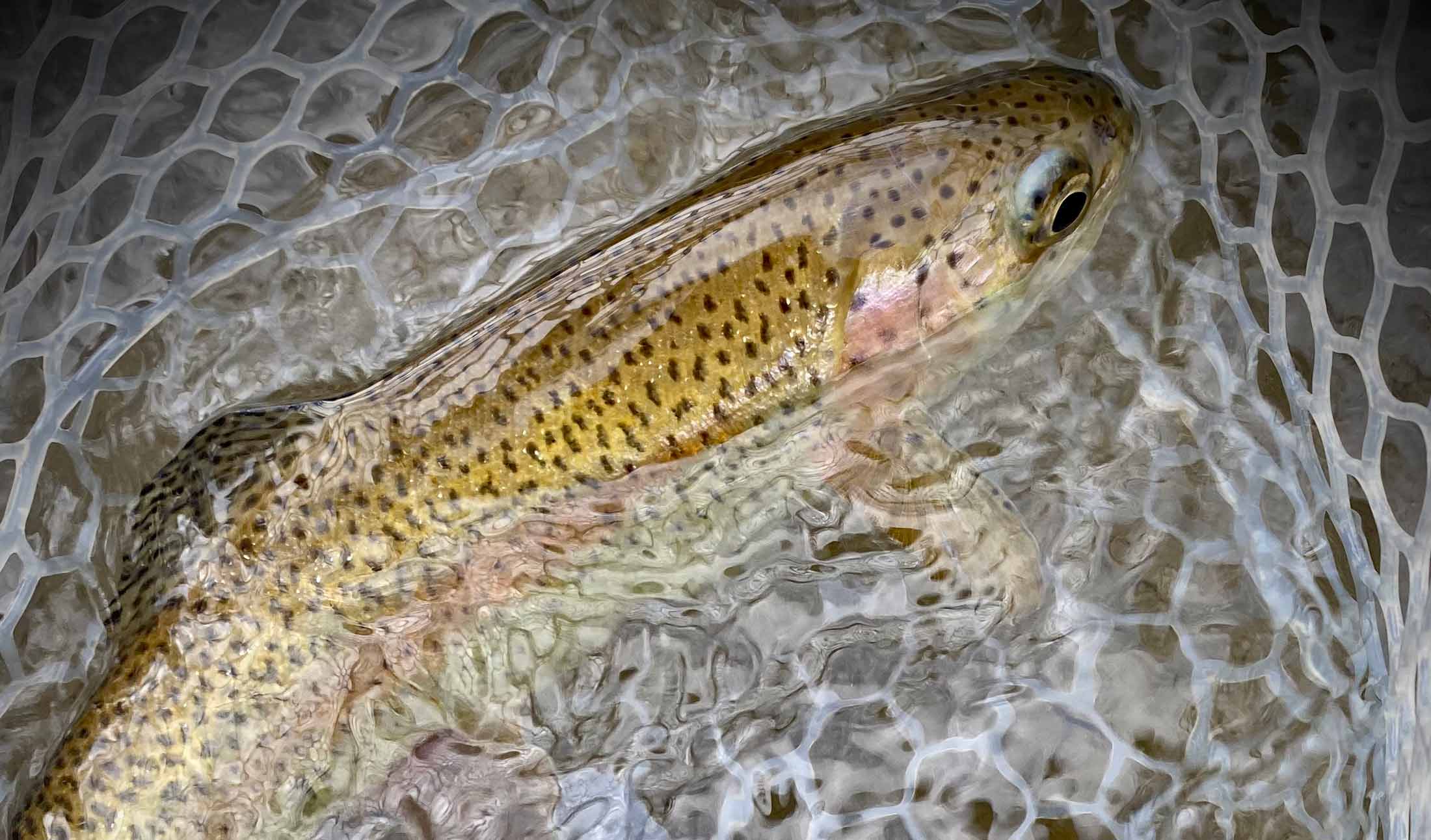
- The trout are on the rise. Trout density in the Gallatin below the West Fork has climbed to approx. 3,786 fish per mile, up from 3,052 in 2024, according to Montana Fish, Wildlife and Parks.
- Late-summer river flow rates on the West Fork are improving. Through riverscape expansion, upper watershed recharge, and snowmaking reuse, the West Fork's late-summer flow has increased from approx. 10 cubic feet per second to as much as 13.
- Restoration is happening. Work on the Middle Fork and the Gallatin's river access sites has stabilized riverbanks, restored habitat, and improved water quality.
- Big Sky's rivers don't stop at Big Sky. Protecting flow and water quality here supports fish, farms, and communities all the way downstream on the Gallatin and Madison.
Frequently Asked Questions
Understanding the work.
Why does river health here matter far beyond Big Sky?
The rivers that begin in Big Sky don't end here. The Gallatin and Madison flow through communities, farms, and ecosystems across the region. When we protect stream health at the source, the benefits—clean water, healthy fish populations, and stable flows—extend far downstream. Healthy rivers also anchor Big Sky's outdoor economy and the way of life that makes this community what it is.
What work has already been done?
Significant restoration work has been completed across the Upper Gallatin system, including:
- Middle Fork Restoration—Using low-tech restoration techniques, this work is accelerating recovery of the Middle Fork: enhancing wetland and riparian vegetation, eliminating sediment loading, raising the water table throughout the meadow, and improving trail conditions.
- Gallatin River Restoration: River Access Site Improvements—These projects use natural solutions that combine engineered design with plants to stabilize the riverbank, reduce erosion, enhance habitat, and improve water quality.
For full project details, data, and photos, visit the Middle Fork Restoration and Gallatin River Restoration Strategy project pages on the Gallatin River Task Force website.
What are the current priorities?
The Partnership's current priority is the West Fork Master Plan—a coordinated effort to restore and enhance flows in one of the Gallatin's most important tributaries. The West Fork currently runs at approximately 10 CFS during August low-flow periods; the plan aims to increase that by up to 13 CFS through riverscape expansion, upper watershed recharge, and snowmaking reuse. Additional ongoing work includes Golf Course Reach Restoration and Snowmaking Reuse.
What are the key challenges?
- Limited water supply combined with a rapidly growing community
- Elevated water temperatures and pollutants during late-season low-flow conditions
- Algae blooms on the Gallatin River and other tributaries
- Development pressure outpacing conservation investments
- Data and community knowledge gaps that make it harder to track progress and build public support
What are we working toward by 2029?
- Improve understanding of water quality trends and ecological conditions across the watershed
- Preserve high-quality streams, riparian areas, and wetlands from further degradation
- Restore stream reaches and riparian areas that have been impaired
- Protect and enhance native and wild trout fisheries and aquatic life
- Sustain the river recreation economy that Big Sky depends on